
Well-being and stress management for teachers and non-teaching staff
Course description:
Teaching and educational work can be meaningful, but they can also be emotionally demanding. Daily responsibilities, changing needs, time pressure and caring for others can leave little space to pause and recharge.
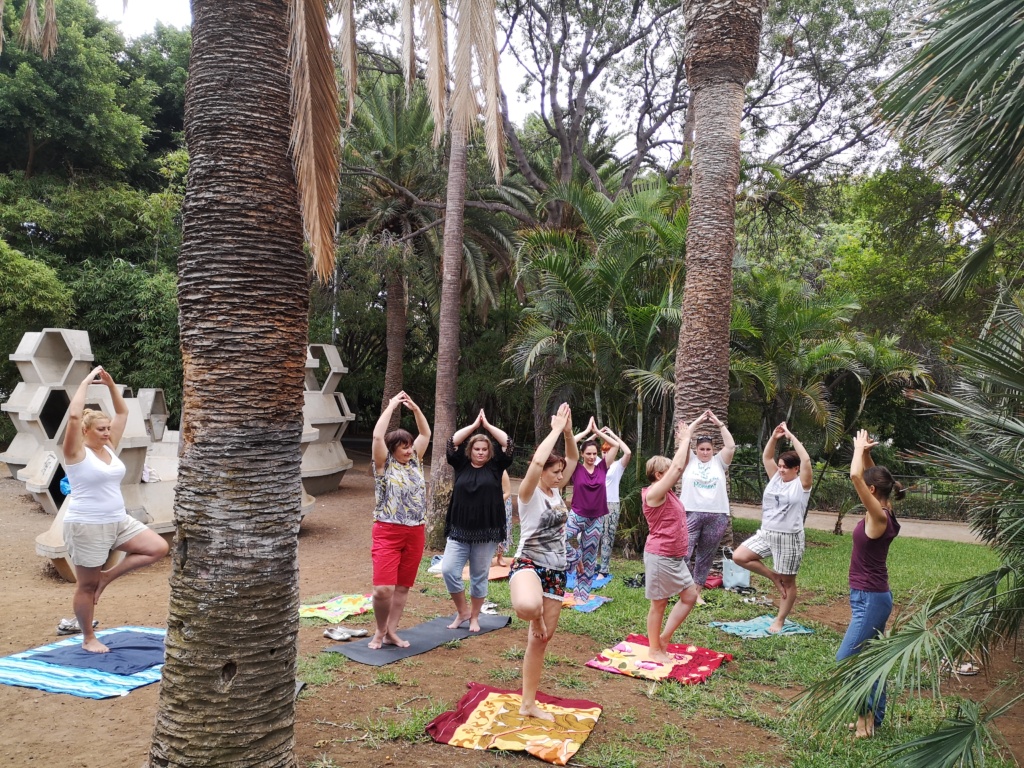
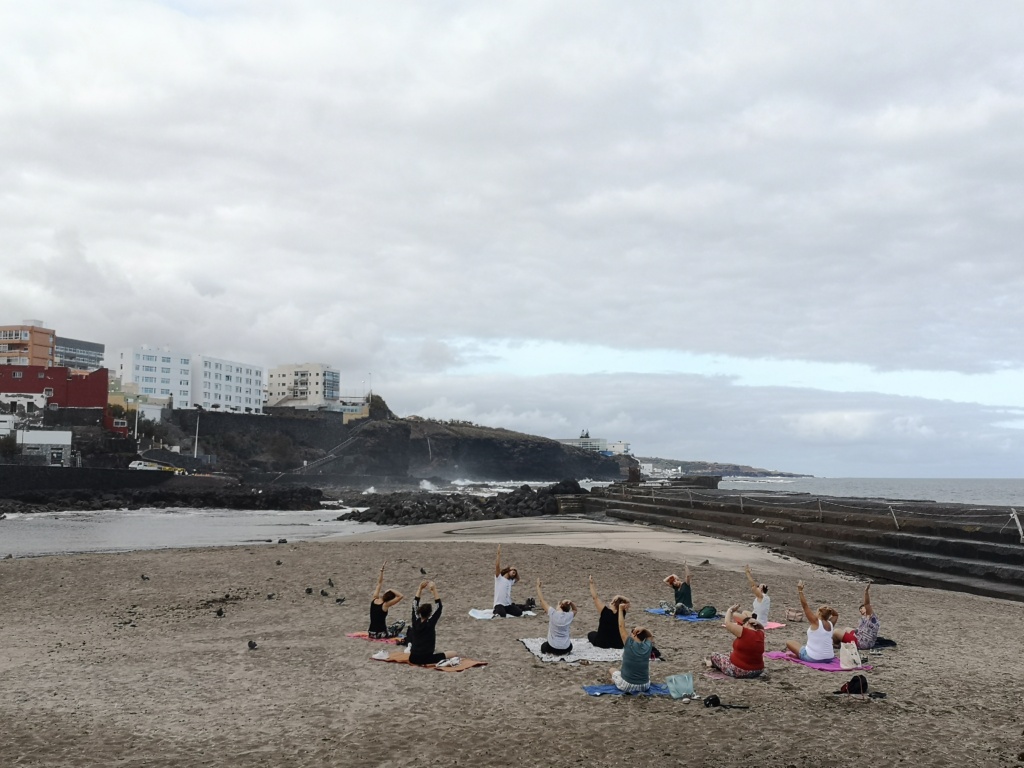
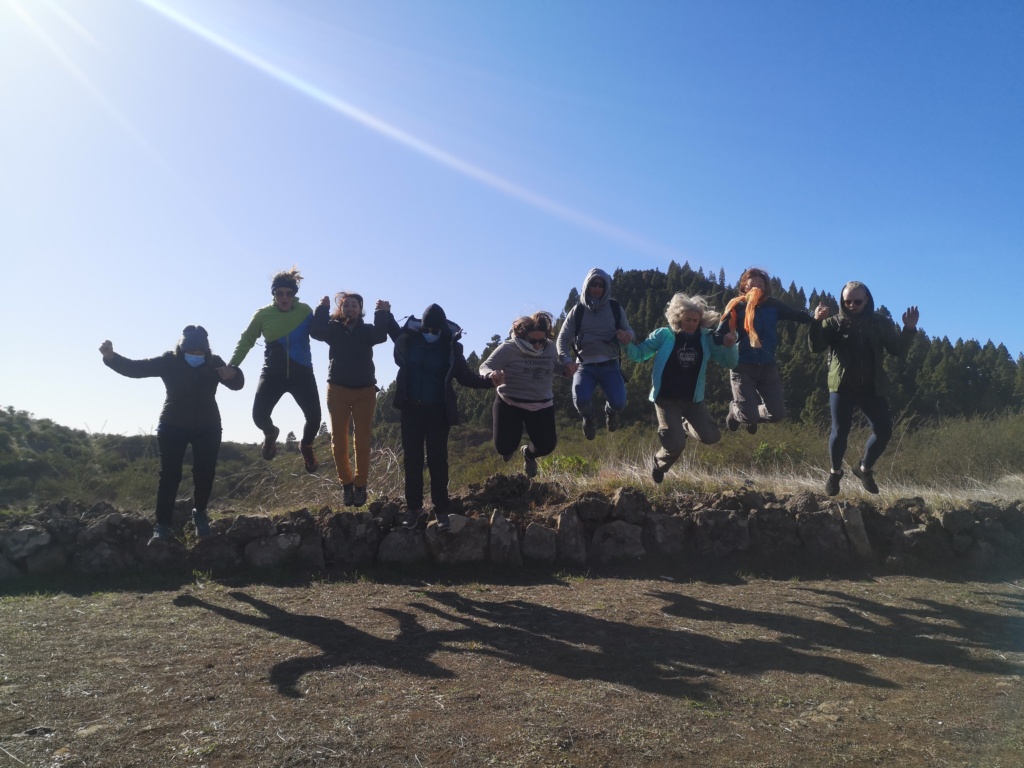
This Erasmus+ course in Tenerife offers teachers, trainers, adult educators, NGO staff and non-teaching staff a practical space to explore well-being, stress management and emotional resilience through active, creative and nature-connected learning. Participants will experience diverse tools including mindful sensory activities, reflective writing, easy movement, breathing exercises, outdoor practices and group reflection.
The focus is not only on personal wellbeing. Throughout the week, we will reflect on how short, accessible activities can be adapted for staff teams and classrooms in order to support a more positive, inclusive and connected learning environment. This Erasmus+ course is educational and preventive in focus and does not replace psychological or medical care.
Competences to be acquired
- New insights into well-being, emotional health and everyday stress responses in educational settings.
- Practical tools for mindful attention, breathing, body awareness, reflection and movement.
- Skills for recognising personal stressors, resources and early signs of overload.
- Ideas for supporting emotional awareness, positive relationships and group wellbeing with learners and colleagues.
- Experience of outdoor, body-based and sensory activities that can be adapted for different groups and contexts.
- A personal self-care calendar and realistic next steps for maintaining healthier habits after the course.
Methodology
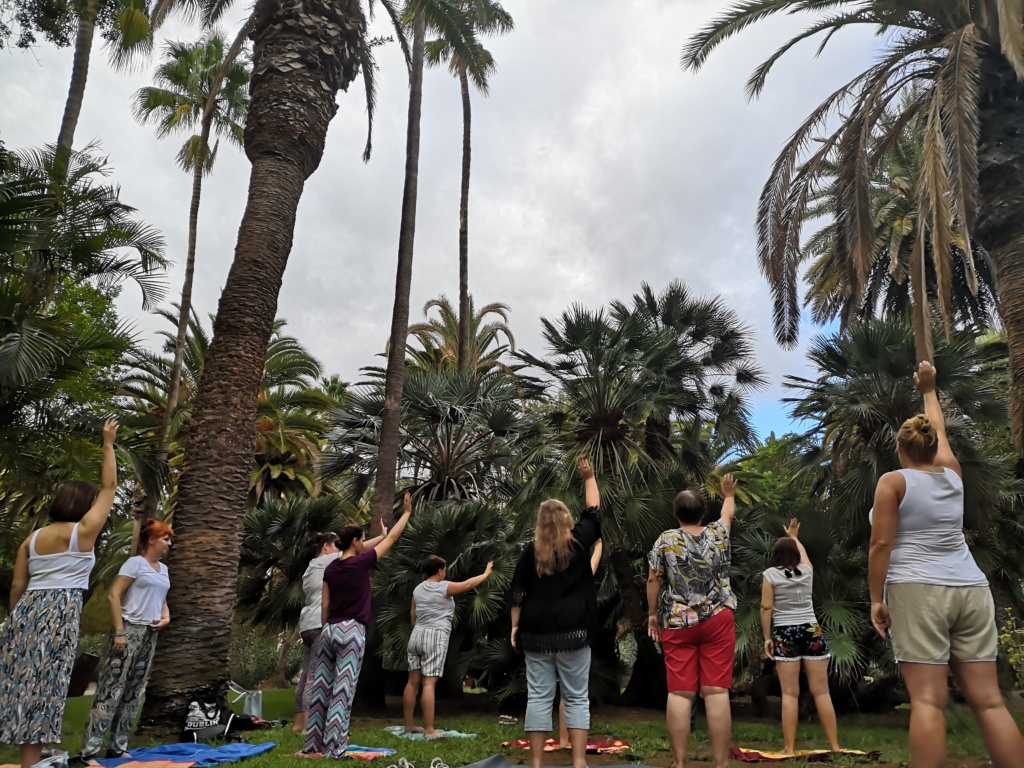
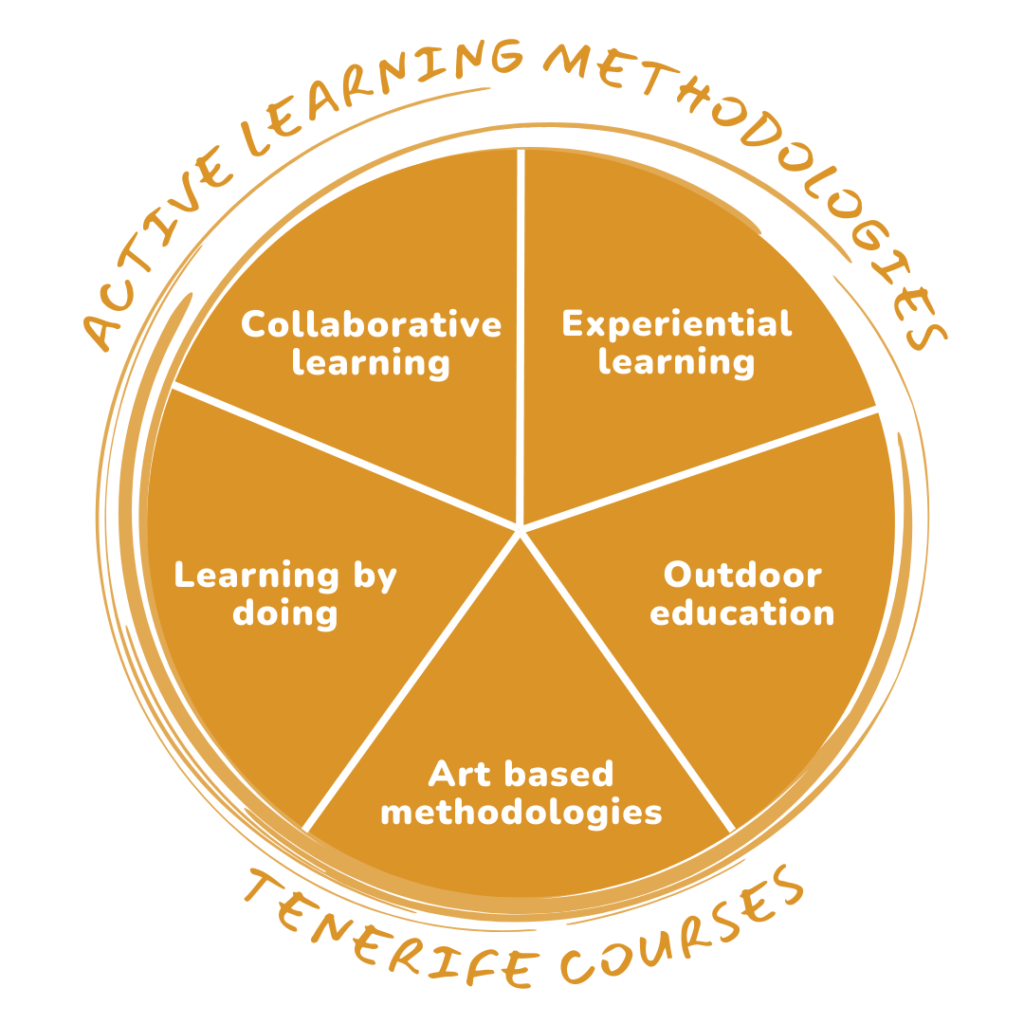
This Erasmus+ course in Tenerife is based on active and experiential learning. Participants will first experience activities themselves and then reflect on their effects, limits and possible adaptations for educational settings. We will combine accessible theoretical input, individual reflection, work in pairs and small groups, outdoor exploration, creative methods and the exchange of good practices among participants from different countries.
Participation in movement and reflective activities is always voluntary. We will offer seated, quiet and lower-intensity alternatives whenever possible, so that participants can adapt the experience to their needs and comfort level. Each day will include time to reflect on transfer into practice.
We will take care of you
- Support and emergency helpline WhatsApp group for easy communication during the mobility.
- Useful PDF presentation with practical information about food, transport and places to visit in Tenerife.
- Support with logistics throughout the course week.
- Free afternoons to explore the island, rest or connect with other participants.
- Optional opportunities to discover Tenerife’s natural and cultural environment.
Practical information
This draft mobility programme is planned for KA1 Mobility for learners in the Adult Education sector.
As a non-profit organisation, Tenerife Courses can host adult learner mobilities and job-shadowing activities in the Adult Education sector. For School Education and VET, the hosting organisation should normally be a school or, in the case of internships, a company.
The final programme is prepared after discussing the needs, profile and learning objectives of the sending organisation and participants.
If you would like to learn more about the differences between individual and group learner mobilities, we have prepared a FAQ with questions and answers about Mobility for learners in the Adult education sector. You can also check the summary of the relevant Erasmus+ Guide updates.