
CLIL, language teaching and creative methods for inclusive groups
This CLIL language teacher training in Tenerife explores CLIL (Content and Language Integrated Learning), an approach that combines subject content with foreign language learning. It is designed for teachers and educators who want to make language learning more active, collaborative and inclusive.
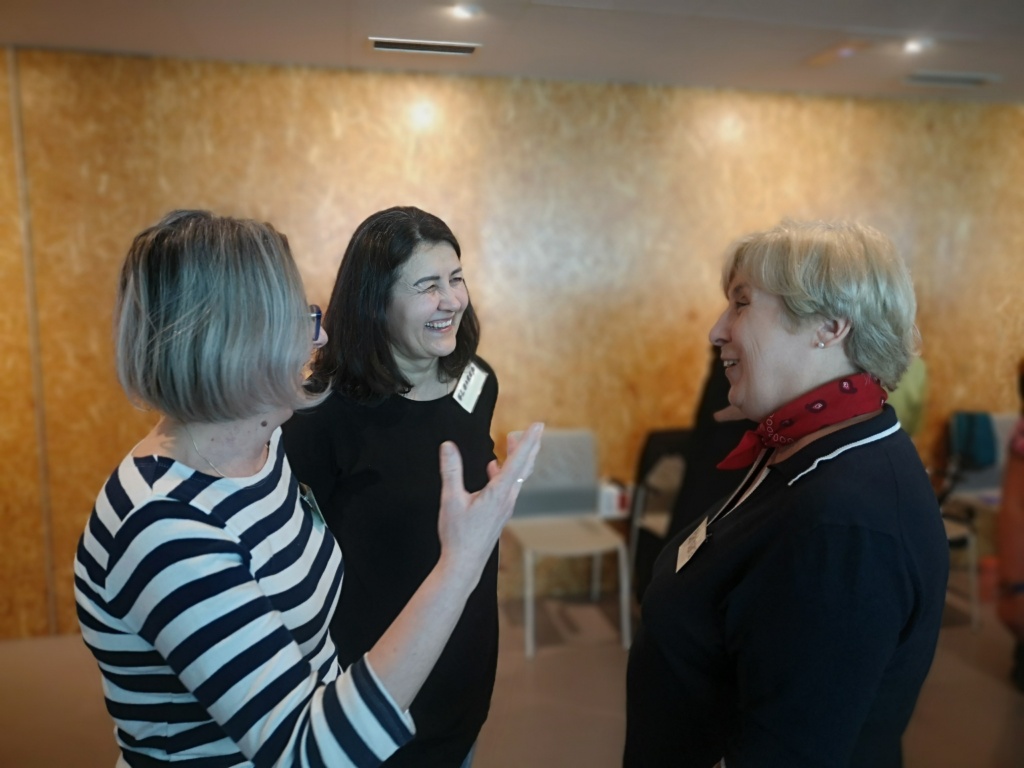
Through hands-on workshops, you will explore embodied learning—learning through movement and physical experience—alongside non-verbal communication, improvisational theatre and cooperative games. You will practise using these methods to support language use, build confidence and encourage participation in multilingual groups.
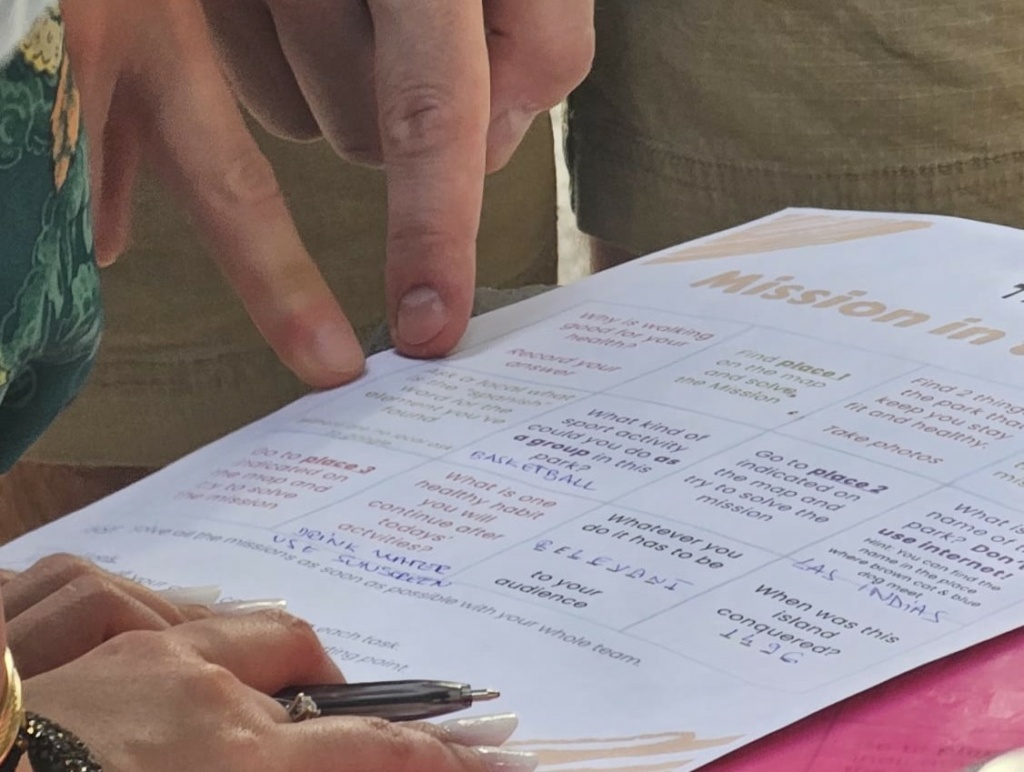
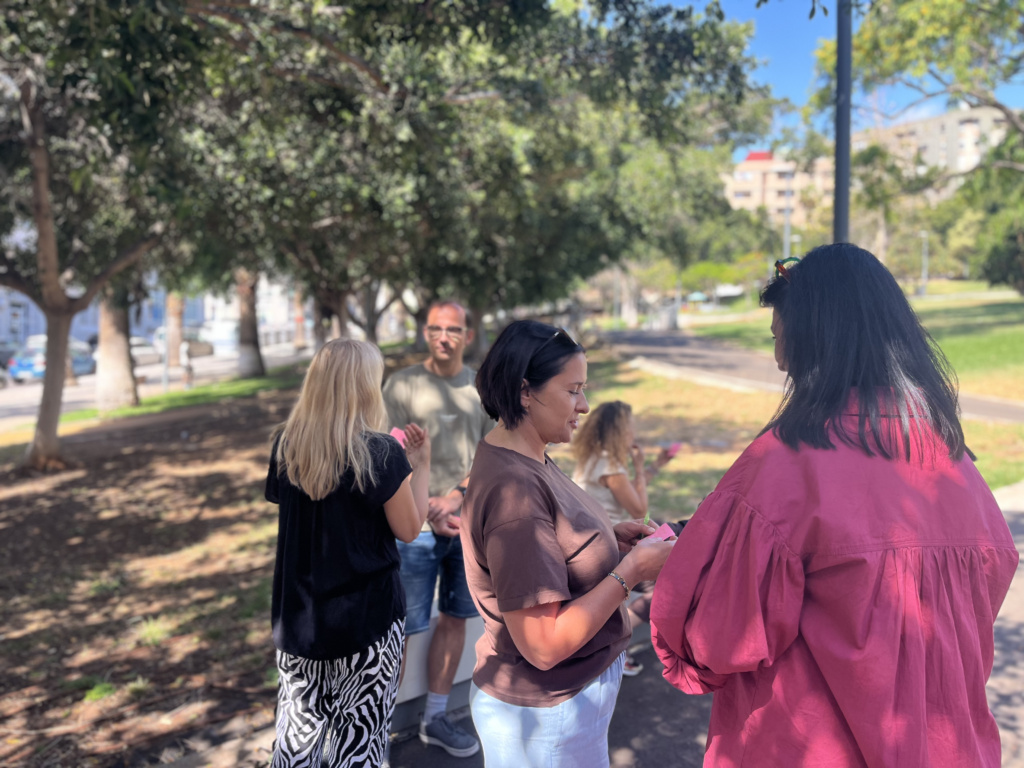
Outdoor workshops bring CLIL into natural and cultural settings in Tenerife. Activities include a gamified treasure hunt, vocabulary practice through movement and storytelling inspired by Canarian myths and legends. You will explore how these experiences can connect language learning with environmental awareness and intercultural understanding.
You will also use storytelling and digital tools to create CLIL materials. Throughout the course, you will exchange teaching experiences, reflect on inclusion and adapt activities to your learners’ language levels and needs. By the end, you will have developed practical ideas and activities to use in your own educational setting.
Competences to be acquired
- Apply CLIL strategies to integrate language learning, subject content and inclusion.
- Use movement, non-verbal methods and theatre to support communication and participation.
- Design outdoor and game-based activities for language and content learning.
- Build group cohesion, empathy and intercultural understanding through cooperative activities.
- Create storytelling activities and digital materials for CLIL lessons.
Methodology
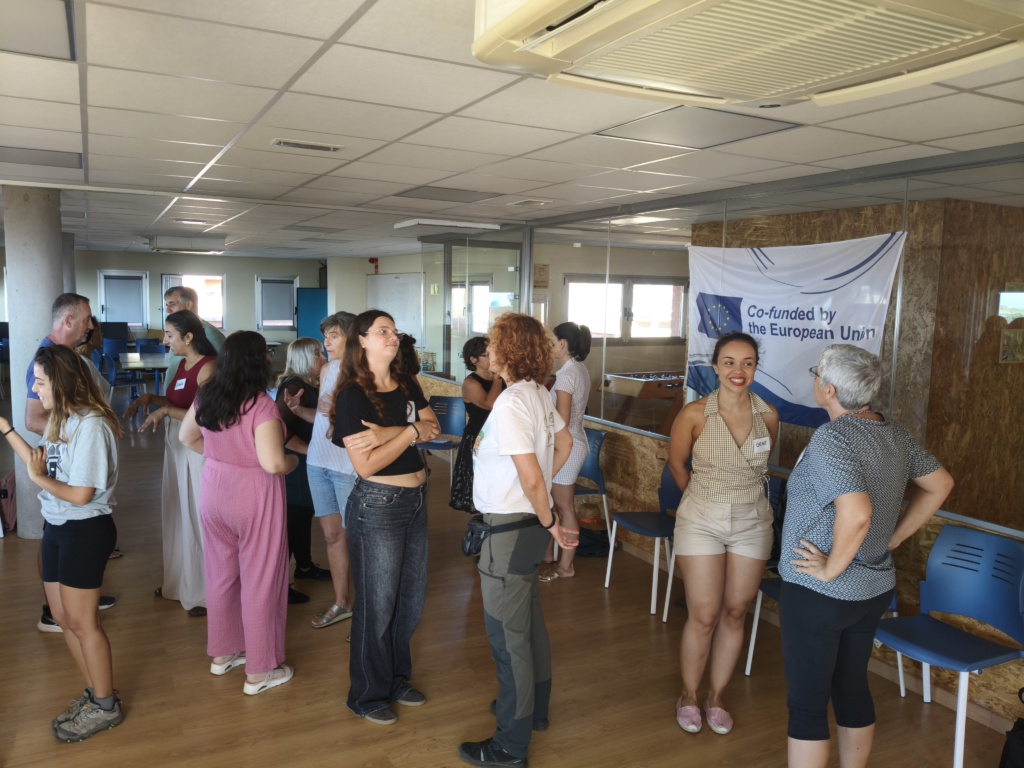
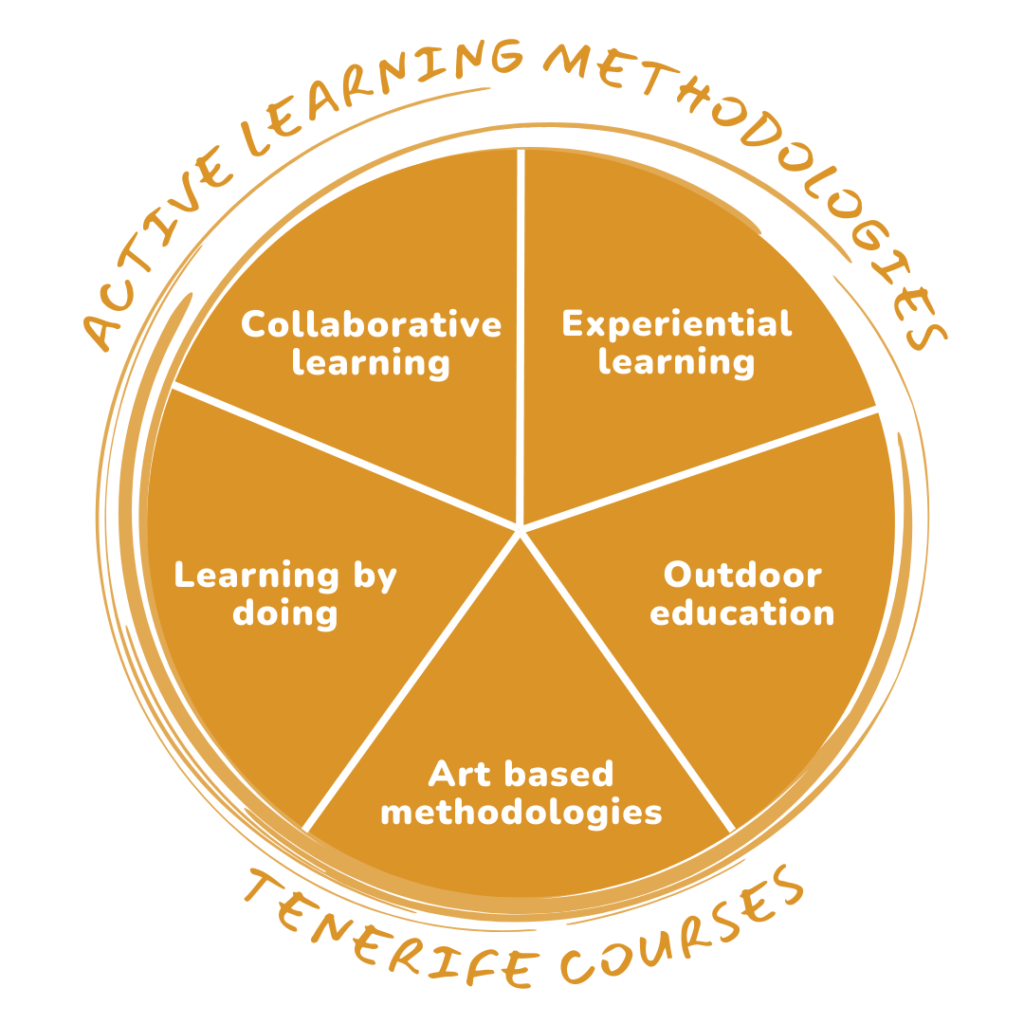
This CLIL teacher training in Tenerife is hands-on and experiential: you try each method first, then reflect on how to adapt it to your own classroom.
Each day combines short theory input with individual reflection, pair and small-group work, outdoor exploration and creative methods (movement, theatre, storytelling, games). Activities are tailored to participants’ subjects, language levels and teaching contexts, so you leave with ideas you can use directly with your own learners. Daily energizers and group reflections keep the group connected and the learning grounded in real classroom needs.
We will take care of you
- Support and emergency helpline WhatsApp group for easy communication during the mobility.
- Useful PDF presentation with practical information about food, transport and places to visit in Tenerife.
- Support with logistics throughout the course week.
- Free afternoons to explore the island, rest or connect with other participants.
- Optional opportunities to discover Tenerife’s natural and cultural environment.
Practical information
This draft mobility programme is planned for KA1 Mobility for learners in the Adult Education sector.
As a non-profit organisation, Tenerife Courses can host adult learner mobilities and job-shadowing activities in the Adult Education sector. For School Education and VET, the hosting organisation should normally be a school or, in the case of internships, a company.
The final programme is prepared after discussing the needs, profile and learning objectives of the sending organisation and participants.
If you would like to learn more about the differences between individual and group learner mobilities, we have prepared a FAQ with questions and answers about Mobility for learners in the Adult education sector. You can also check the summary of the relevant Erasmus+ Guide updates.