Outdoor Education to promote environmental and social inclusion values

Gain insights into utilizing sustainability as a tool for fostering social inclusion.

Engage in outdoor education activities to personally experience and learn methods for teaching the importance of preserving nature and its biodiversity. This course is based on the approaches that latest scientific research indicates to be efficient in environmental education.

We will guide you in discovering, through hands-on experience, diverse methods of outdoor education aimed at fostering environmentally and socially sustainable and responsible behaviors.

You will visit two organisations with expertise spanning 25-30 years in garden-based learning, permaculture and sustainable farming targeted to learners with fewer opportunities as well as to the broader public of all age groups.
environmental awareness / environmental

Competences to be acquired:

Skills on using outdoor methods to promote environmental and social values

New knowledge about outdoor education, nature-based learning and garden-based learning.

New knowledge about ecological gardens, sustainable farming and permaculture philosophy.

New insights about the social and therapeutic benefits of gardening and nature.

Skills for implementing experiential and active learning methods in outdoor environments.

environmental awareness / environmental

Training activities:

Day 1 - Introduction

  • Introduction and getting to know each other
  • Creative teaching techniques to teach social and environmental values
  • Emotion-focused pedagogy in environmental education
  • Approaches to social and environmental issues: solution-driven vs fear-based discourse
  • Building a positive narrative. Exchanging good practices.
  • Reflections: How can I adapt the key learnings in my work?

Day 2 - Outdoor education techniques

  • Warm-up and team building exercises
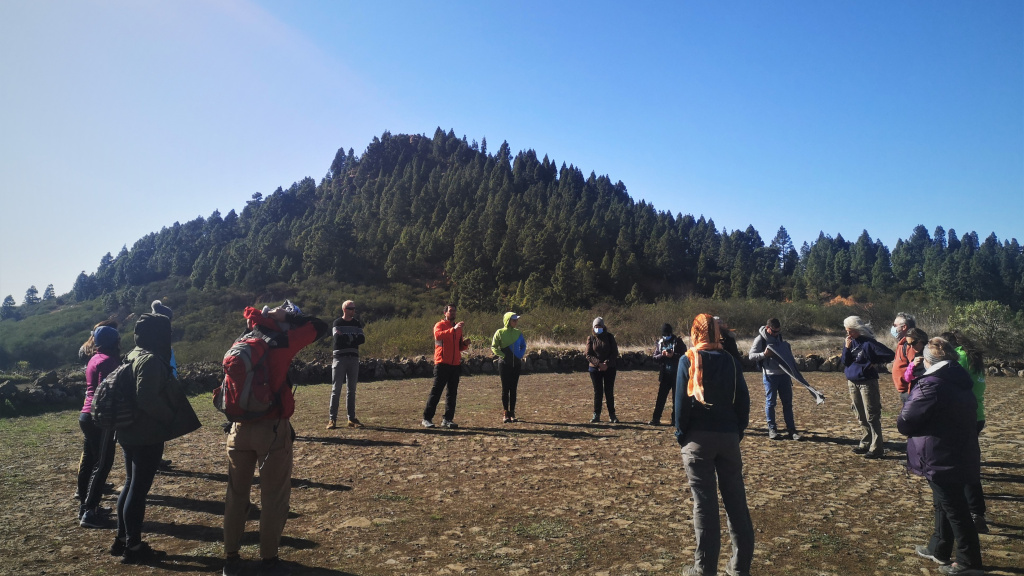
  • Outdoor education techniques in the forest/park.
  • Increasing the connection with nature to stimulate motivation to protect it.
  • Creativity in game-based learning, gamification and heritage interpretation
  • Environmental Yincana Techniques. Treasure hunt.
  • Reflections: How can I adapt the key learnings in my work?

Day 3 - Creative outdoor education techniques

  • Creative outdoor education techniques. Why outdoor education?
  • How to organise environmental friendly field trips
  • Using legends and drama in teaching outdoors
  • Ethics in nature. What is ecotourism?
  • Possible consequences of unsustainable trips for the natural heritage.
  • Exchanging good practices on outdoor/ nature-based/ environmental education

Day 4 - Sustainability and inclusion - Experiential Learning

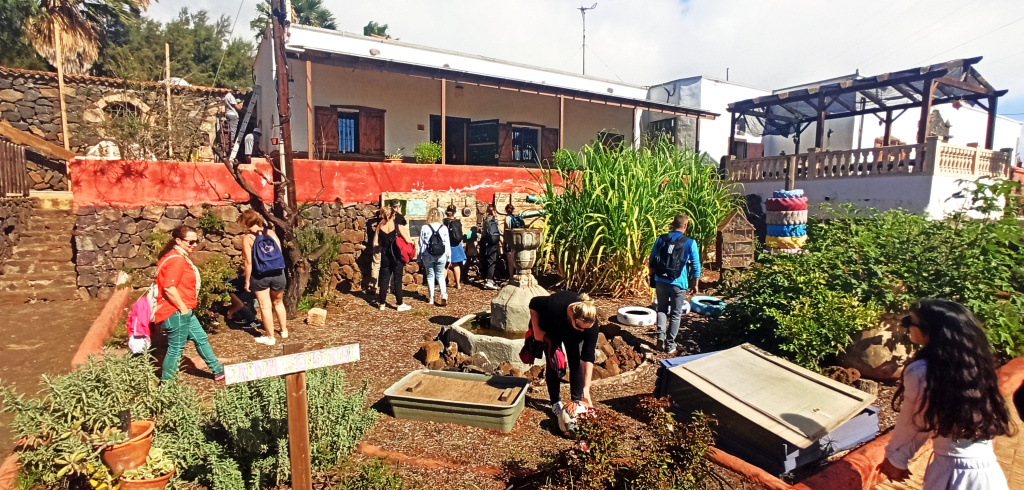
  • Practical experiences at an Eco-farm
  • Working towards sustainability with learners from socio-economic vulnerable backgrounds and learners with special needs (autism, Down Syndrome etc). Examples of taking environmental awareness into action.
  • Sustainability as a social and educational tool to promote inclusion and socio-environmental values.
  • An example of a workshop.

Day 5 - Nature-based education techniques

  • Team challenge outdoors (in a park) or in a permaculture farm working with persons with mental illness – observing permaculture applied to farming, gardening, bio-construction, water management and circular economy.
  • Examples of taking environmental awareness into action.
  • Garden-based learning and social inclusion.
  • Exchanging good practices on outdoor/nature-based/environmental education.
  • Final discussions and reflections
  • Summary of key learning points
  • Final course evaluation and feedback
  • Validation of learning outcomes and handling certificates
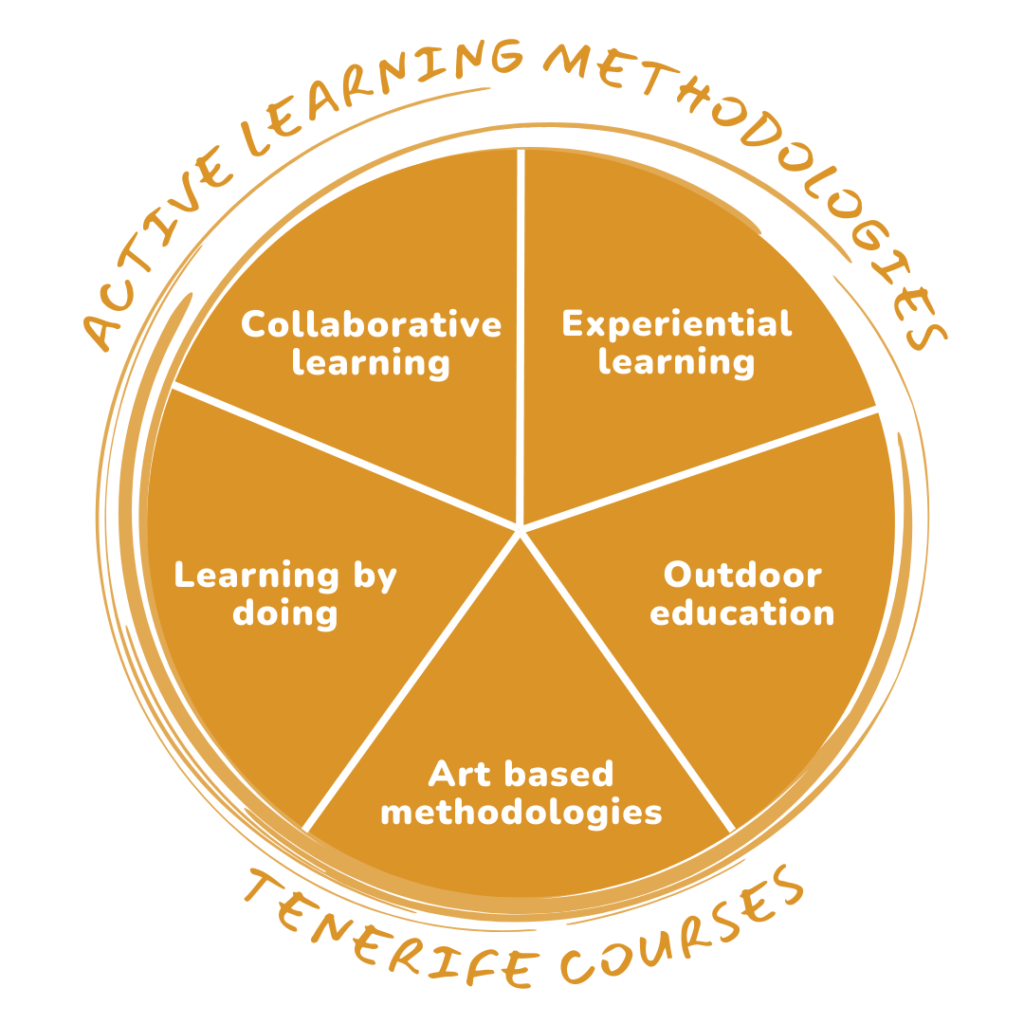
Active learning techniques

Methodology:

Our focus is on showing the participants how the learners’ motivation increases when they become the actors of their own learning because the teacher takes the role of facilitator or learning guide.

Energizers, games and group reflections are foreseen daily in order to ensure a positive energy and a cooperative learning climate in the group.

We tailor our working methods based upon the participants‘ needs and professional profiles in order to ensure easier adaptability and application of the tools to the real life.

We will take care of you:

  • Support and Emergency Helpline Whatsapp group with all participants for easy communication and interaction between each other.
  • Useful pdf presentation with the most important information about food, transportation and places to visit in Tenerife.
  • Free afternoons to explore beauty of Tenerife.
  • Visit to Teide National Park – optional.
  • No requirements for accommodation, you can choose whatever you want (in the city where the course takes place).

After the course:

  • Teaching materials in pdf to use in your classes afterwards.
  • Photos for dissemination.
  • The certificate of attendance and support with all documents needed.
Drama and theatre techniques in education

Contact us

Menu